
The Art of Embodied Self-Reflection

We are grateful you are here.
Speaking of being here, how is your breath at the moment? Are you able to soften your face as you read this? Perhaps sensing the support beneath your body or gently rocking from side-to-side while sighing feels better? Whatever you choose, we invite you to take a pause to orient to your body and its experience before reading on about how to inhabit and listen to our bodies as a form of self reflection.
As we journey through the ebb and flow of life, one of the most profound ways to connect with ourselves is through reflecting on our experiences, becoming curious about them and learning from them. We propose that integrated self-reflection is not just an intellectual exercise—it's a somatic, embodied experience. By tuning in to your body’s wisdom and listening, you gain new levels of clarity about how to safely and joyously engage with yourself and the world. We hold space for the idea that your body is your home, your birthright and your most trusted, loving friend. We present foundational practices and questions for you to engage deeper in this relationship with yourself. We offer these as an entry point for ongoing exploration of what makes you feel most vibrant and alive according to your body. At Nourish, we have found that when clients pair self-reflection with somatic practices, they more effectively engage the whole Self in life’s conversation. We also acknowledge that accessing the body is a privilege and an acquired skill in our disembodied world, so be gentle and utilize the suggested practices below to get yourself started down the path of embodied self-reflection. Reach out for more support if you need it!
Why Body-Based Self-Reflection?
When we reflect on our experiences solely through the lens of the thinking brain, it can feel like something is missing. Our bodies hold memories, emotions, and wisdom that words cannot always adequately express. Thus, somatic self-reflection offers us a more integrative, whole experience of ourselves and teaches us how to listen to the subtle signals of our body in order to be guided by its wisdom. This is particularly useful and important to access as we reflect on our life experiences, navigate relationships and make choices on our individual life paths.
By reconnecting with our bodies, we can better understand:
What makes us feel most alive
What passions fuel our energy and excitement
What emotions need tending to or releasing
What patterns or blockages may be holding us back from full vitality
What else does reconnecting with your body offer you?
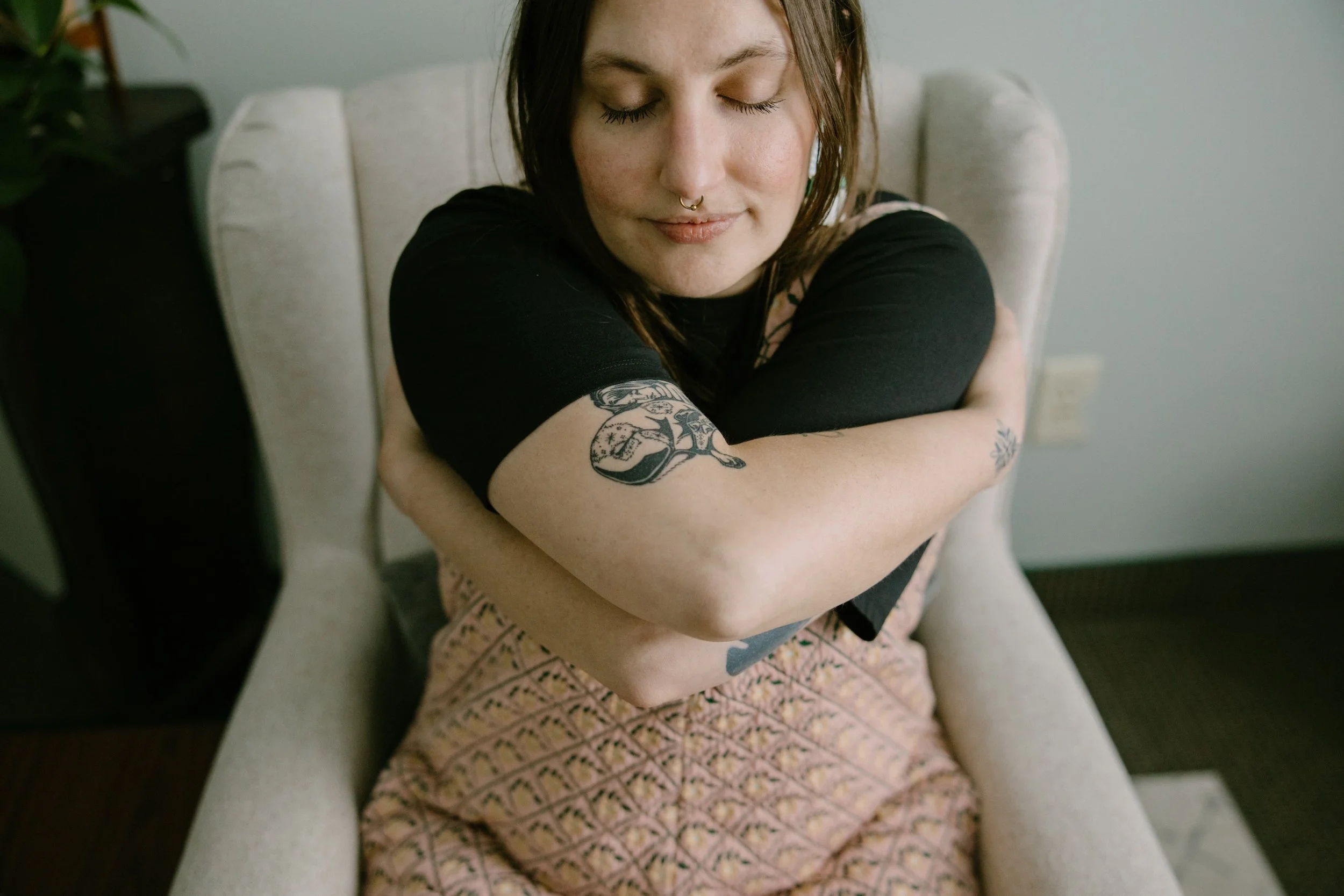
Practices to Embody Self-Reflection
At Nourish, we are experts at body-centric communication and somatic repair and we’d like to offer you a few somatic-based practices you can utilize paired with some reflection questions to get you started on exploring this idea. If you’d prefer a guided version of these practices, we’ve also included links to some of our favorite audio/video practices. These will support you in reflecting on your desired core feelings and what makes you feel most vibrant and alive:
Yoga-Nidra based Body Scan
Sit or lie comfortably, and close your eyes. Take several deep breaths to center yourself. Slowly bring your attention to each part of your body, starting from your toes and working up to your head. Move very slowly, perhaps taking 15 minutes to do the whole body. Notice the sensations in each area—are there any areas of tension, warmth, tightness, or lightness? Click here if you would prefer to be guided through this practice (from ‘Hello Inner Light’). Then reflect:
What areas of your body feel energized or alive?
Are there places in your body where you feel stuck or numb?
How does the rhythm of your breath shift as you scan your body?
Dynamic or Freeform Movement and Expression
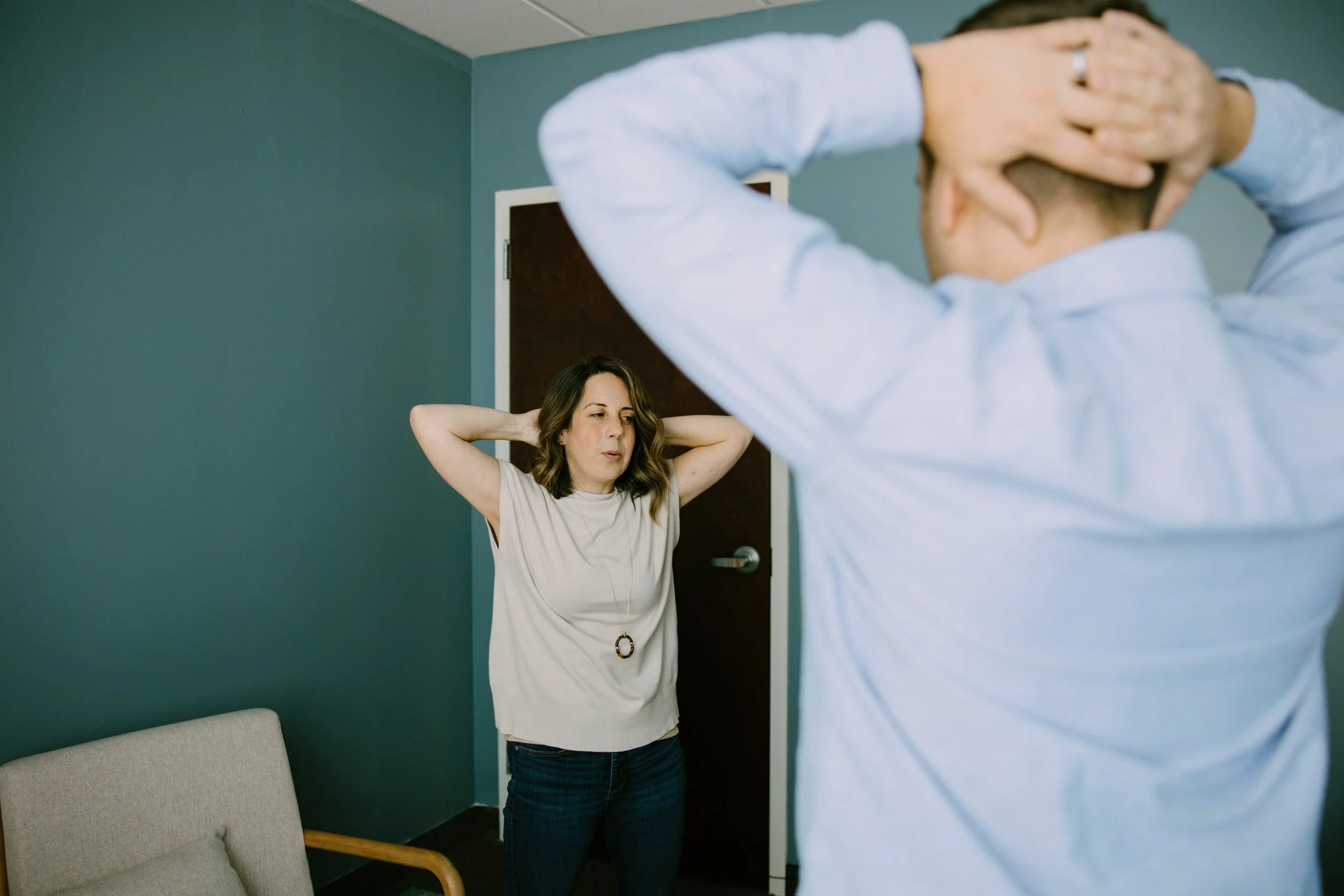
Set an intention to be open to this experience. Stand or sit with enough space around you. Allow your body to move freely without judgment or restriction for 3 minutes. Let go of the need for it to look a certain way—simply allow your body to express whatever it needs to.
If this feels too intimidating, try this Feldenkrais-based approach focused on the head and neck with Taro to experience the natural way your body moves when it is given the space and awareness to to tap into it’s own natural movement pathways.
What movements feel freeing and joyful?
Are there any emotions that arise as you move?
What does your body want to express that you may not have been aware of?
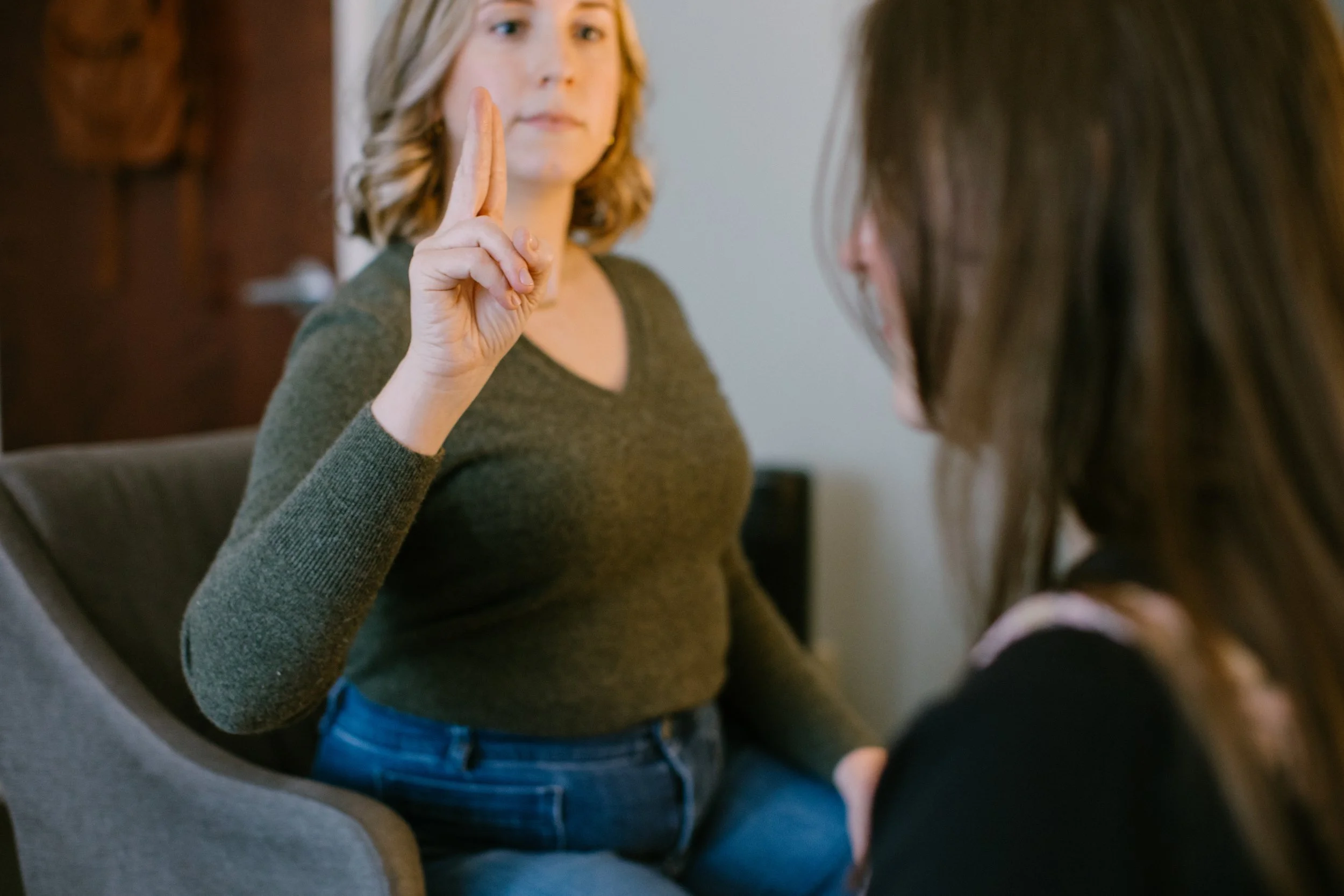
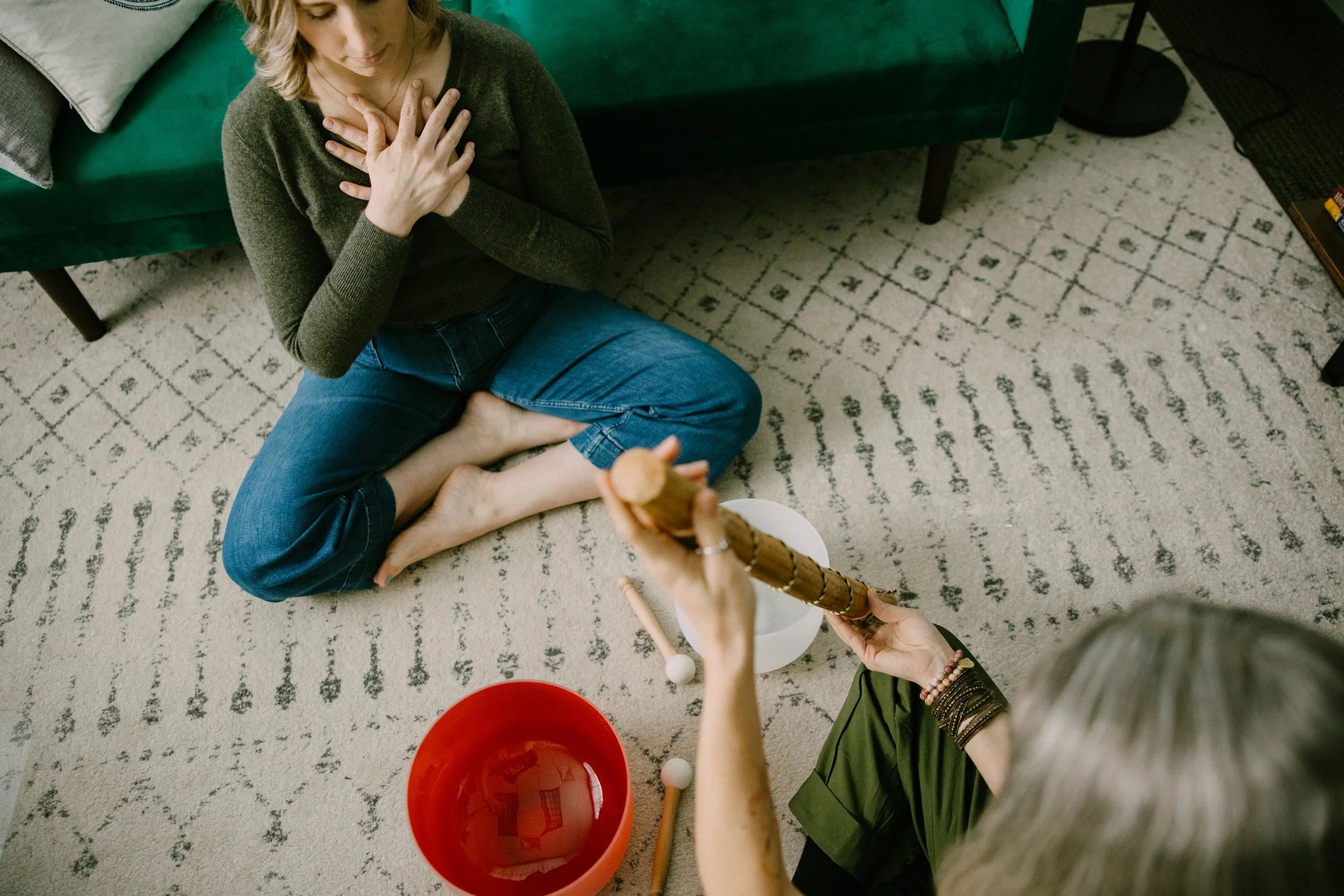
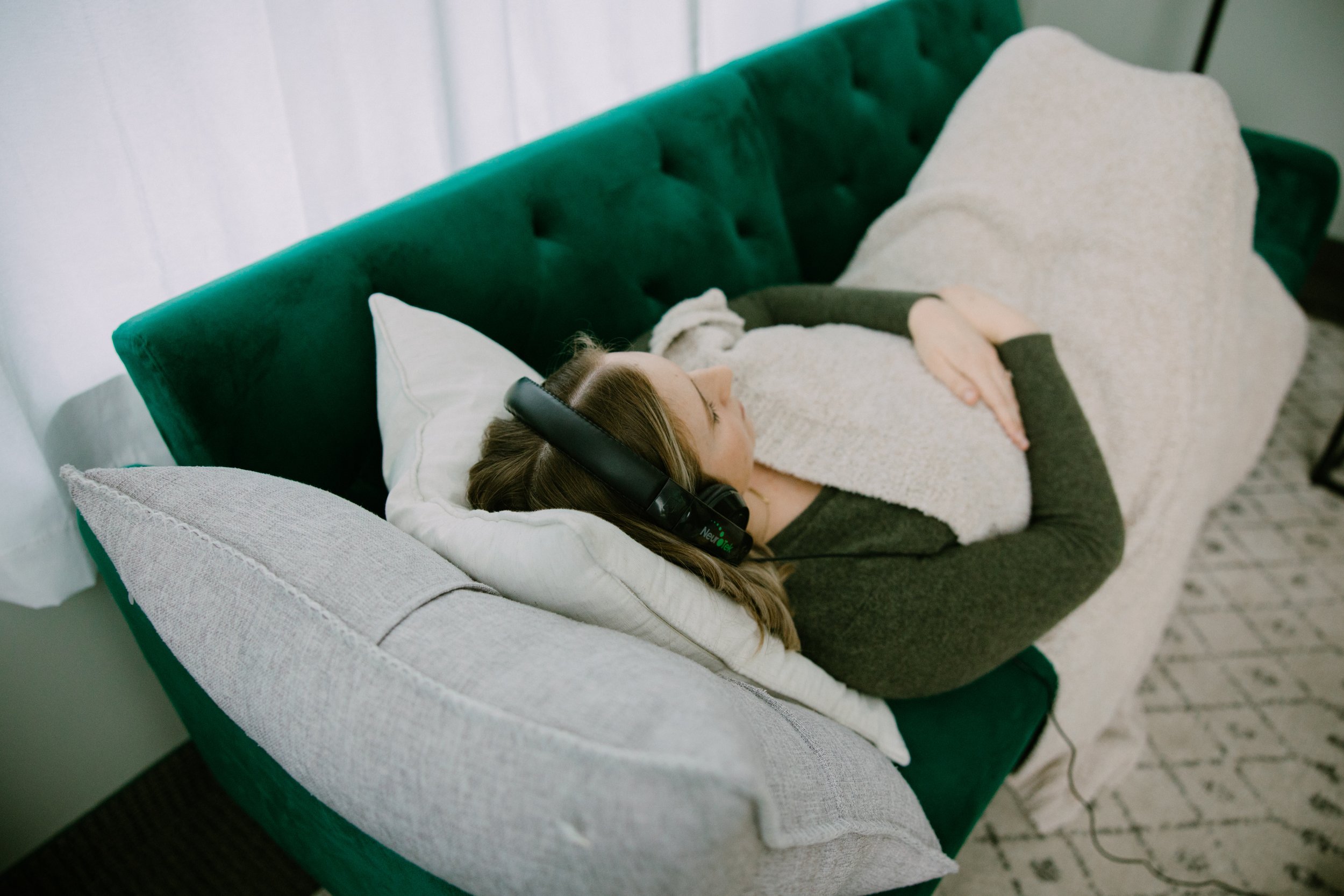
Breath work (for vitality + parasympathetic reset)
The breath is a powerful tool for self-reflection. Let’s keep it very simple: Inhale deeply through your nose, allowing your belly to rise, and exhale slowly through your mouth, releasing any tension or stress. Visualize the breath bringing in energy, and releasing any stagnation. Repeat for 15 breaths, then reflect:
What does the breath feel like in your body today?
Can you imagine your breath bringing in more aliveness and joy?
How does your breath shift when you think about what you desire or what excites you?
The Practice of Embodying Desired Feelings
Once again, we like to keep the practice simple, as the learning from witnessing and practicing can be quite rich. for this one, sit quietly, close your eyes, and imagine the feelings you wish to cultivate in your life in the way that best works for you—love, safety, respect, power, vitality, freedom, passion, joy, or connection? What is it that you really want to feel as you navigate your life? Can you name the feeling, sensation or experience you wish to cultivate? What does that feeling look like in your body when you hold it in your minds eye? Does it feel expansive or grounded? What sensations arise when you focus on your desired feelings?
What does it feel like when you are most alive or most vibrant in your body?
Can you locate that sensation somewhere in your body? Perhaps it's in your chest, your gut, or your limbs?
What would it feel like to live more from this place of vitality and aliveness?

Deep Listening Practice and
Ongoing Questions for Reflection:
Deep listening is mindfully holding the ever-changing landscape of the subtle energetic body in your awareness as you ask questions to your body and wait for it to answer in it’s own language, on it’s own time. This comes with a period of learning how to create and hold space for the body to be witnessed and understood, particularly for individuals with less experience with contemplative or somatic practices (like meditation, breath work, yoga, mindfulness, dance, music, etc.)
For those of all levels, we’ve created these questions to guide your deeper ongoing exploration. So, as you engage in your existing self-reflection practices consider offering these questions to your body and listening deeply for its response without needing to “know” what it means. Ask your body and wait.
Before asking, consider getting into an embodied, self-connected state by choosing an embodiment practice from above. In this calmer state of awareness, note that the answer will come in the form of sensations, (temperature changes, awareness shifts, muscle tension patterns, heart rate changes, images passing in the mind, breath changes), new or repeating thoughts, memories, as well as urges to move/do something, etc — these are all valid expressions of what the body is holding and are all paired with corresponding sensations in the body (yes, even the repeating thoughts originate from sensations in the body!). Over time, these sensations and subtle energy shifts will become more apparent and identifiable to you as you continue the practice of asking the questions before and after creating safe, patient, open, compassionate space suitable for deep listening. Wait for answers to arise naturally and organically. Feel free to bring a journal to make notes on your body’s response to the following questions:
What makes me feel most alive?
When do I feel my energy is high, my body is open, and my heart feels full?
What activities, people, or environments leave me feeling revitalized?
What do I truly desire?
What passions, dreams, or ambitions have I neglected or put aside?
What would my life look like if I actively pursued these desires?
What sensations do I associate with joy and vitality?
How does my body respond when I am engaged in something that lights me up?
What does it feel like in my body when I am truly connected to myself?
What am I holding onto that blocks my aliveness?
Are there old stories, past traumas, or emotions that I am carrying that weigh me down?
How can I begin to release or transform these blockages to make space for vitality?
