
Kid Therapy in North Carolina
Kid Therapy in North Carolina for Emotional & Mental Health Support
If you’re looking for kid therapy in North Carolina, you may be holding quiet questions about how to support your child emotionally—especially when big feelings, worry, or behavioral changes don’t seem to ease on their own. Many families who reach out to Nourish Carolina Counseling are not reacting to a crisis, but responding to a sense that something feels heavy or confusing for their child.
Families throughout North Carolina seek kid therapy when children are navigating anxiety, emotional overwhelm, school-related stress, changes at home, grief, or social challenges. Whether you are seeking local, in-person care or utilizing telehealth from elsewhere in the state, kid therapy creates space for children to feel understood and supported while learning emotional regulation and resilience over time.

Who Kid Therapy in North Carolina Is For
Kid therapy in North Carolina at Nourish Carolina Counseling is designed specifically for younger children, not adolescents or teens. While adolescent therapy is also offered by our team, this service is intentionally focused on early emotional development and childhood milestones.
Parents across North Carolina often reach out to us when they notice that their child:
Feels anxious, withdrawn, or easily overwhelmed
Has frequent emotional outbursts, shutdowns, or meltdowns
Struggles with transitions at school or home
Has difficulty expressing feelings with words
Seems stuck in patterns of worry, fear, or emotional reactivity
Please Note: Kid therapy at Nourish Carolina Counseling is mental health counseling—not behavioral training, ABA, or rehabilitative services. The goal is emotional understanding, nervous-system regulation, and relational safety, always paced to the child.

Our Child-Centered Counseling Approach
At the heart of kid therapy in North Carolina is attunement—listening closely to what a child communicates through words, play, behavior, and emotional cues. At Nourish Carolina Counseling, therapy is intentionally gentle, relational, and grounded in nervous-system awareness. This approach resonates with many North Carolina families balancing busy school schedules, community activities, and modern family life.
What Kid Therapy Sessions Feel Like
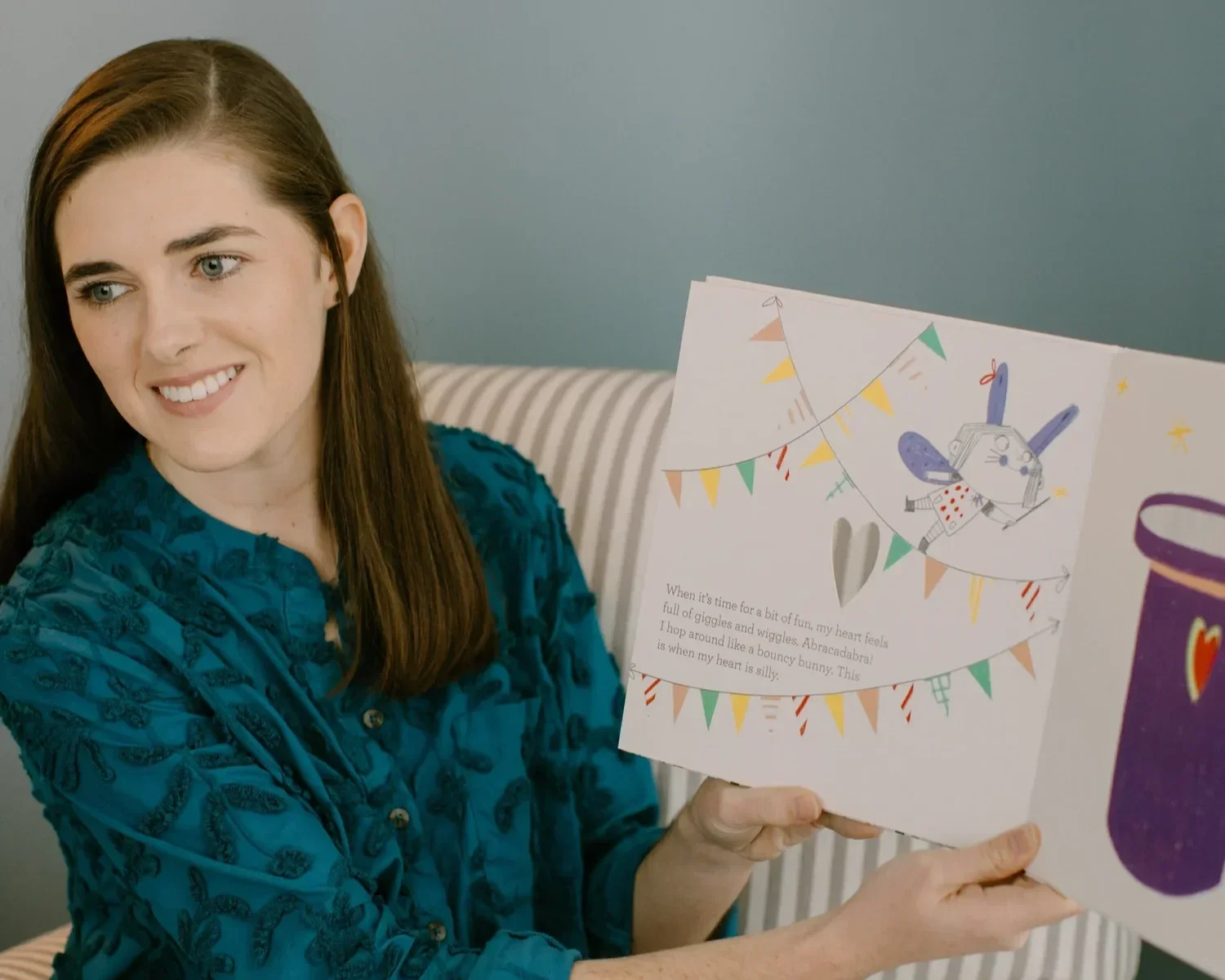
Kid therapy sessions at Nourish Carolina Counseling are structured but flexible. Children may talk, draw, play, or engage in guided activities that feel natural to them. Sessions are not about performance or outcomes—they are about helping a child feel safe enough to explore emotions at their own pace.
Therapists remain attentive to signs of overwhelm, hypervigilance, or emotional shutdown, adjusting pacing so sessions remain supportive rather than stressful.
Supporting Parents Along the Way
Parents are an important part of the process. Our approach to kid therapy in North Carolina often includes caregiver guidance so parents can better understand what their child needs emotionally and how to offer support at home. At Nourish Carolina Counseling, this guidance is collaborative and respectful, while keeping the primary therapeutic space centered on the child.

Common Reasons Families Seek North Carolina Kid Therapy
Families searching for kid therapy in North Carolina often describe challenges that feel hard to name but are deeply impactful. These may include:
Anxiety and excessive worry
Difficulty regulating emotions
Stress related to school or peer relationships
Family changes or transitions
Grief or loss
Low self-confidence or emotional sensitivity
Kid therapy at Nourish Carolina Counseling often begins by helping families put language to experiences that have felt confusing or overwhelming. This clarity can be an important first step toward healing.
What Starting Kid Therapy Can Feel Like
Beginning kid therapy doesn’t require certainty—only care and curiosity.
Step 1: Reach Out
Parents begin by sharing what they’ve noticed in their child and what feels hardest right now.Step 2: Clarify Needs
Together, goals are gently identified in a way that respects a child’s emotional safety and developmental stage.Step 3: Begin Counseling
Your child begins kid therapy with Nourish Carolina Counseling, slowly building emotional awareness and coping tools—without pressure, promises, or rushed timelines.
If you’re considering kid therapy in North Carolina, Nourish Carolina Counseling welcomes you to reach out when it feels right.
Meet Your Kid Therapists in North Carolina
Nourish Carolina Counseling was created in 2018 with the intention of providing empathetic, trauma-informed care in a safe and comforting environment.
We are a group of compassionate mental health therapists who facilitate healing mental health struggles from a developmental, trauma-focused, person-centered perspective, and we believe that people are capable of great growth and change throughout their lives.
Most importantly, we provide a safe and non-judgmental environment where children can explore their feelings, process memories, and develop healthy coping mechanisms through kid therapy in North Carolina.



Frequently Asked Questions About Kid Therapy
-
Kid therapy in North Carolina supports emotional development by helping children understand feelings, build emotional awareness, and learn regulation skills in a safe, relational environment. At Nourish Carolina Counseling, therapy focuses on nervous-system regulation rather than behavior correction.
Many children experience stress related to school, peer relationships, or life transitions. Kid therapy creates space for expression through play, conversation, and creative activities while honoring developmental readiness. Over time, children often feel safer expressing emotions, managing stress, and navigating relationships at home and school.
-
Kid therapy is designed for younger children, typically elementary-aged, who benefit from developmentally attuned emotional support. This differs from adolescent therapy, which is tailored to teens.
At Nourish Carolina Counseling, kid therapy centers on emotional safety, gentle pacing, and relational connection. Families often seek counseling when children struggle with emotions they can’t yet articulate. The approach respects each child’s developmental stage and avoids adult-centered expectations or pressure.
-
Parents often seek kid therapy in North Carolina when emotional patterns begin interfering with daily life—such as frequent meltdowns, anxiety, withdrawal, or difficulty at school. A diagnosis or crisis is not required.
Many families reach out when concerns persist despite supportive parenting efforts. Kid therapy offers a space to explore emotions safely while helping parents better understand their child’s needs. Early emotional support can prevent challenges from becoming more entrenched and support long-term emotional resilience.
-
A typical session is structured but flexible. Children may talk, play, draw, or engage in guided activities based on comfort and developmental level.
Therapists observe emotional cues, adjusting pacing to prevent overwhelm. Sessions are not performance-based and do not pressure children to talk before they’re ready. This approach supports children by creating a consistent, predictable space where emotional expression feels safe and supported.
Types of Therapy We Offer at Nourish




Kid Therapy
Supporting Families Across North Carolina with Kid Therapy
Nourish Carolina Counseling proudly provides child counseling in Durham and child counseling in Raleigh, serving families through our local physical offices as well as offering statewide virtual care. Our counseling practices support children and parents who live, work, and attend school across the region.
Our North Carolina kid therapy offers a calm, child-centered environment designed to support emotional safety and developmental needs. Families appreciate having a consistent, welcoming space where children can feel grounded while receiving gentle, relational mental health counseling.